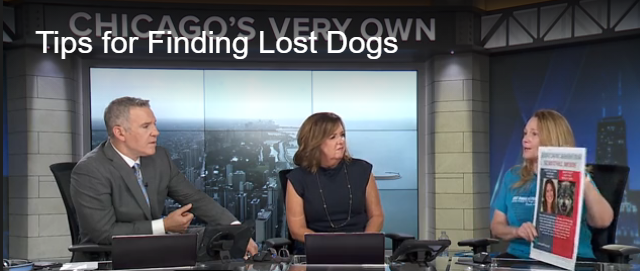
We were honored to join WGN Morning News to talk about something we’re very passionate about: helping lost dogs find their way home.
One of the most important things we shared is that the dog you know at home may not be the dog you see when they’re lost. Even a normally friendly dog can become frightened and go into survival mode.
That’s why knowing how to respond when you see a loose dog can make all the difference.
Don’t chase.
Don’t create a crowd around the dog.
Give frightened dogs the space and time they need.
After more than 15 years of helping reunite lost dogs with their families, we know that well-meaning efforts can sometimes unintentionally push a scared dog farther away. Education and a strategic approach are critical.
Thank you to WGN Morning News for giving us the opportunity to share these important recovery concepts and help educate the public.
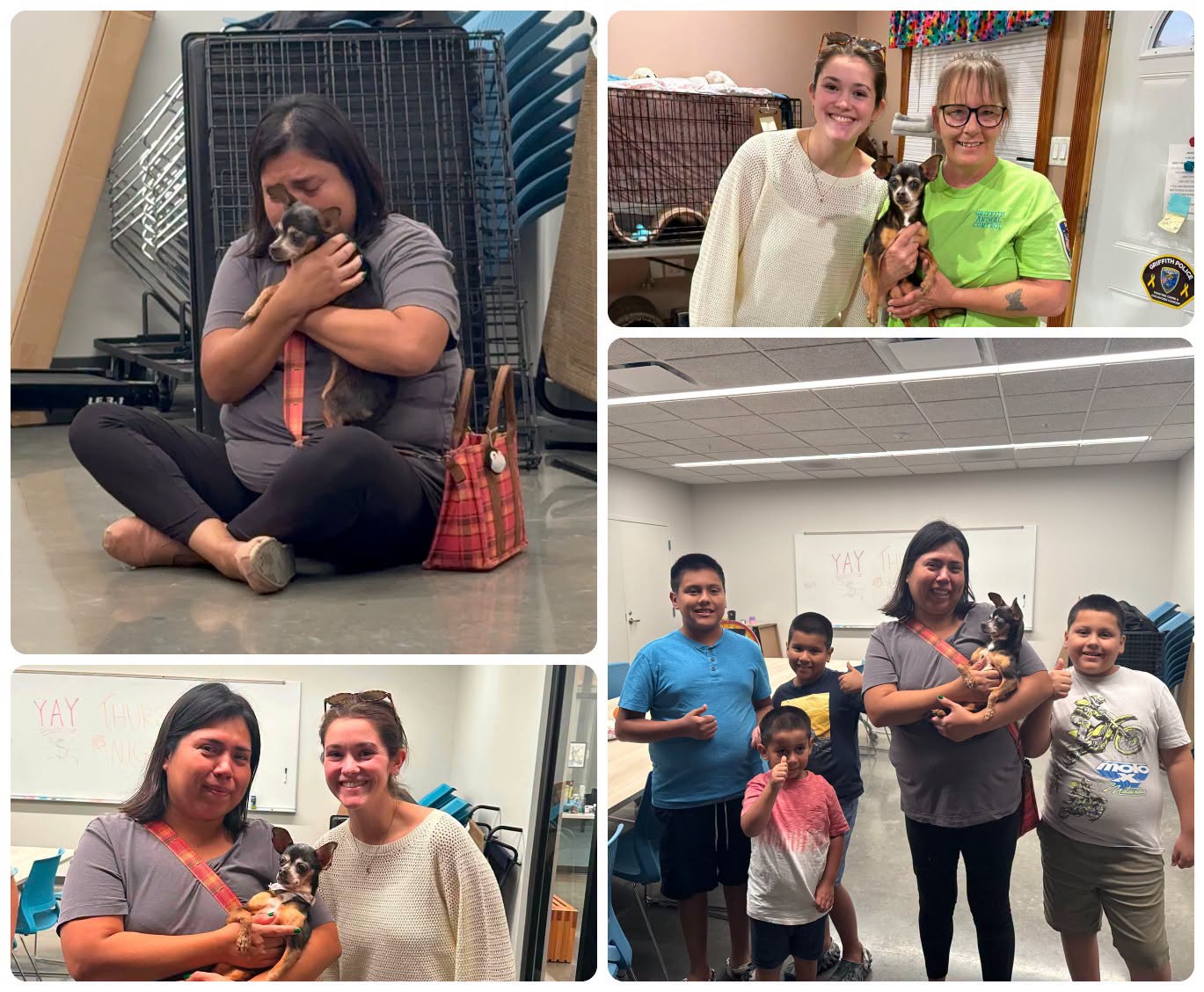
FLOR – Reunited after 12 YEARS because of her microchip and the kind people who worked together to get her home!
Fifteen-year-old Flor was found in Gary, Indiana, by Mack, a storm worker from out of state. Because the nearby animal shelter was flooded, Mack had taken her to Griffith Indiana Animal Control & Shelter, where she was treated for fleas.
Mack had Flor scanned and a microchip was found but hit a dead end. The chip had been registered in 2013, but the phone number was no longer current. Flor, born in 2011, had been missing for 12 years.
On the recommendation of Debbie A. and other supporters of Microchip Hunters, Mack sent us Flor’s microchip information for help. Jane also messaged us to let us know Flor was safe at Griffith Animal Control & Shelter and shared a personal contact in case we found her family.
After researching the owner, it appeared she had once lived in Chicago but now lived in Evanston. Additional background searches turned up phone numbers that looked like they might be current.
And sure enough, I got a call back right away.
When I explained why I was calling, Flor’s owner was crying and shaking. This, I was not expecting!
“You found Flor? OMG, OMG… you have Flor?” The tears were flowing, mine too!
Flor was her “soul” dog. She had gone missing 12 years earlier with another dog who was not microchipped. Because Flor was chipped, this incredible reunion was possible. Sadly, the other dog was never found. Or maybe she was… but without a microchip, there was no way to identify her and connect her back to her family.
Flor’s owner talked about Flor to her kids to this day, and today this dream came true.
Flor’s family didn’t have dependable transportation to Griffith, so I reached out to Tonya at Evanston Animal Shelter. We know they are all about these happy reunions! By the next day, Tonya had arranged for volunteer Gillian to pick Flor up and bring her to Evanston for her family. Griffith Animal Control & Shelter also waived all fees and provided flea and deworming medication.
From Mack finding Flor, to Debbie and others recommending Microchip Hunters, Jane helping Griffith and Microchip Hunters connect, Microchip Hunters finding a current number for her family and coordinating, Griffith caring for her, and Tonya (Evanston Animal Shelter) and volunteer Gillian helping get her to Evanston…
Flor’s family is incredibly grateful to everyone who helped, and so are we. What a joyful day for them. Microchips keep famiies together, make sure yours is current today.
Welcome home, Flor, you were missed for 12 years. That is long enough!!!
Microchip Hunters is excited to share some great news! SB2891 has been officially signed by Governor Pritzker!
This new law includes important provisions for Illinois that will help reunite more lost pets with their families:
“The animal shelter or animal control facility shall register the microchip in a national database with the adoptive owner’s information at the time of adoption.” “The animal shelter or animal control facility shall retain documentation of the microchip and registration, which shall be searchable by microchip number.”
“If, at any time after adoption, the adopted animal comes into the possession of an animal control agency, a law enforcement agency, another animal shelter, or a veterinarian and the agency, shelter, or veterinarian requests information pertaining to the identity and whereabouts of the animal’s adopter or the history of the animal, the adopting agency shall, within one business day, provide that information to the requesting agency, shelter, or veterinarian.”
Microchip Hunters was honored to play a small part in helping get this effort started. We want to extend our heartfelt thanks to the Illinois Animal Control Association and to everyone who dedicated their time, hard work, and persistence to making this happen. We are also grateful to everyone who supported this important legislation every step of the way.
This is a significant step forward that will help more lost pets find their way back home where they belong. We look forward to seeing the positive impact this will have for animals, shelters, veterinarians, and the families who love them.
Thank you to everyone who helped make this possible!
Darla went missing from Mundelein on July 8, nearly 20 miles from her home.
Knowing she was a high flight-risk dog, her owner had taken every reasonable precaution to keep her safe. Darla was wearing both a harness and a properly fitted martingale collar, was attached to two leashes, and was tethered to her car seat. Despite all of those precautions, she managed to escape from the vehicle and bolted, dragging both leashes behind her.
A team of volunteers and lost dog recovery specialists were engaged immediately. Before developing a recovery strategy, we gathered as much information as we could about Darla’s history. We learned she had been rescued two years ago from an animal control shelter in southern Illinois, where she was found as a stray and suspected to have been from a nearby Foxhound puppy mill. She was significantly undersocialized and determined to be unadoptable, so her new family took her in and showed her what love looks like. Her owner also shared that this was not her first escape. Just two weeks after being adopted, Darla got loose and remained on the run for two weeks. During that time, she stayed close to home. Attempts to lure her were unsuccessful, and she refused to enter a traditional box trap. She was eventually recovered when her family created a trail of treats leading into their fenced backyard, where a family member was able to quickly close the gate behind her.
Knowing that history, we understood this would likely be a challenging recovery. Darla is extremely skittish by nature. Although Darla had bonded with a couple of family members and the household dogs over the past two years, experience has shown that once a dog enters survival mode, even familiar people can be perceived as a threat.
Shortly after she escaped, we received a report that Darla had been clipped by a vehicle and was seen running into a nearby wooded area. Since she was potentially injured and still dragging two leashes that could get entangled on something, locating her quickly became our top priority.
SmithicAir came out to search the area using a thermal drone. After about an hour, he located Darla in the woods. Using one of the family’s dogs as a magnet dog, he carefully guided the family toward her location. Magnet dogs are oftentimes used in lost dog recovery to encourage a frightened, lost dog to lower its guard and approach, appealing to natural canine social behavior. Read more…https://lostdogsillinois.org/magnet-dogs-a-powerful-tool-in-lost-dog-recovery/
Unfortunately, as they got close, Darla bolted. We eventually lost sight of her, and despite additional aerial searches, she could not be located again. Under the right conditions, thermal drones can be a great tool, but, as we saw here, securing the dog may be the bigger challenge. With Darla no longer in the wooded area, the recovery entered its next phase.
Our first priority was educating the public. We needed people to understand that if they saw Darla, they should not chase her, call out to her or pursue her in any way. Instead, they should quietly observe her if possible and report the sighting. Every chase risks pushing a dog farther from the area or into danger.
Family, friends and volunteers did an incredible job helping to spread that information. They posted more than 400 brightly colored flyers throughout a five-mile radius. We started out flyering a three-mile radius from where she went missing and expanded the coverage area as new information came in. Darla was also shared across numerous Facebook groups, Nextdoor, and Neighbors. Several homeowners associations graciously distributed her information to their residents, and volunteers went door-to-door delivering flyers to increase awareness.
The flyers worked! Sightings began coming in, allowing us to track Darla’s movements across the area. Early reports were especially concerning. Several people reported that she was seen limping. Photos showed that one of her leashes and her harness had become wrapped very tightly around a back leg, making it impossible to use her back leg. We feared that if we couldn’t reach her soon, she could suffer permanent damage or even lose the leg. We were also concerned that her injury could make her more vulnerable to coyotes. Over the following weeks, we were relieved to see that Darla somehow managed to free herself and she had gradually regained normal use of the leg.
Darla had gone viral. Every sighting was logged and plotted on a custom Google Map. By the end of the recovery, more than 120 sightings had been documented. Looking at the reported sightings collectively allowed us to identify travel routes, preferred resting areas, and patterns that helped guide our decisions.
Early in the recovery, when Darla appeared to be slowing down in one area, we explored the possibility of luring her to her owner. Because Darla had always slept with a family member, we hoped that familiar scent might overcome her fear. On two separate occasions, their daughter laid quietly in the grass during the times Darla would show up. Darla never appeared. Shortly afterward, she moved out of the area entirely. While we’ll never know whether the two were related, we felt there was a possibility the luring attempts had caused her to leave. Based on that observation, we chose not to attempt any further luring and instead returned our focus to allowing Darla to settle naturally.
One of the questions we heard most often was, “Why don’t you just go get her?” It’s a reasonable question. The answer is that dogs in survival mode are no longer thinking like the family pet that escaped. Their instincts take over. Even dogs that are deeply bonded with their owners may avoid them because every person is perceived as a potential threat. Chasing or pursuing them almost always causes them to travel farther, making recovery even more difficult. The hardest part of the process is often having the patience to allow the dog to settle.
As Darla continued traveling, multiple feeding stations were strategically placed in areas where she began spending time. Even after eating at a feeding station, she would move on before settling long enough for us to establish a reliable pattern. We suspected she had other sources of food, so we asked that residents not leave food out for her so she would come to our established feeding stations.
As frustrating as it was, the team remained patient, continually reassessing the situation and adjusting the recovery strategy as Darla’s behavior evolved.
After traveling more than 75 miles (calculated based on sightings), Darla eventually circled back to an area where she had briefly settled earlier in her journey. Because we had already worked with several residents there, we were able to quickly re-establish feeding stations. We also knew she had developed a few favorite places to rest, including one property owned by a friend of Darla’s family.
Based on everything we had learned, her previous escape, her reluctance to enter a traditional box trap, and her behavior throughout this recovery, we believed the best opportunity to safely secure her would be with a Missy Trap, a walk-in trap designed for dogs that are hesitant to enter conventional box traps.
At 4:00am on August 6, after a month on the run, Darla entered the trap and was safely secured. The emotions the family and recovery team felt was that of happiness, relief, and exhaustion.
There is another part of Darla’s story that shouldn’t be overlooked and that is how resourceful and resilient she proved to be.
During the weeks she was on her own, Darla faced conditions that could have ended very differently. She was seen hobbling on three legs after her harness and leash became tightly wrapped around her leg. There was significant swelling from the strangulation, and at one point there were concerns that she could permanently lose the use of the leg. She encountered coyotes and had to navigate unfamiliar territory while finding food, water, and places to rest and stay safe. Yet Darla kept going.
She adapted to her surroundings, found ways to care for herself and ultimately found areas where she felt safe enough to rest. She traveled a remarkable distance and, eventually, made her way back toward an area where she had previously felt comfortable.
The recovery team worked hard to bring Darla home, but Darla did the hard work of surviving. Her owner said it best: “She is 100% my hero… if I could only be half as strong as her. ❤️”
Darla’s story is not just a story about a lost dog being found. It is also a story about a resilient, resourceful dog who survived a month on her own and never gave up.
Every recovery teaches us something, and Darla’s was no exception. It reinforced the importance of patience, careful planning, community involvement, and the willingness to continually evaluate and adapt the recovery strategy. Hundreds of people shared her information, volunteers distributed flyers, residents hosted feeding stations, homeowners associations helped spread the word, and more than 120 sightings were reported and mapped. Throughout the recovery, the recovery team invested countless hours evaluating sightings, refining the recovery strategy, coordinating with residents, hanging flyers, establishing and maintaining feeding stations, monitoring equipment, conducting field work, and responding whenever Darla was reported.
The owners’ commitment to Darla’s recovery was nothing short of amazing and truly demonstrated the love they have for her. They traveled 45 minutes to and from the area on a daily basis to respond to sightings, talk with residents, hang flyers and establish and maintain feeding stations and monitor the trap.
There are way too many people to thank individually, but each and every one played an important role. We do want to thank the Magnifico family for allowing us to set up and trap on their property. They went above and beyond, providing us with access to their security so we could monitor for sightings and even grilling food outdoors to help draw Darla out.
Special recognition goes to Kat with Dog Gone Pet Recovery for the countless hours she devoted to Darla’s recovery. Throughout the case, she worked alongside the recovery team to evaluate new information, establish and monitor feeding stations, provide daily support to Darla’s family, and spend long hours in the field. As a drone operator, she also conducted several aerial searches in an effort to locate Darla. Her dedication, experience, and persistence were instrumental in bringing Darla home safely.
Recovering a dog like Darla is never the result of one person or one piece of equipment. It takes the support of an entire community, and a willingness to adapt as new information becomes available. Every sighting that was called in instead of posted on social media, every flyer that was hung, every resident who hosted a feeding station, every volunteer who gave their time, and every person who resisted the urge to chase Darla contributed to her recovery. Every one of those pieces mattered and because so many people worked together and stayed committed to the process, Darla is finally home where she belongs.
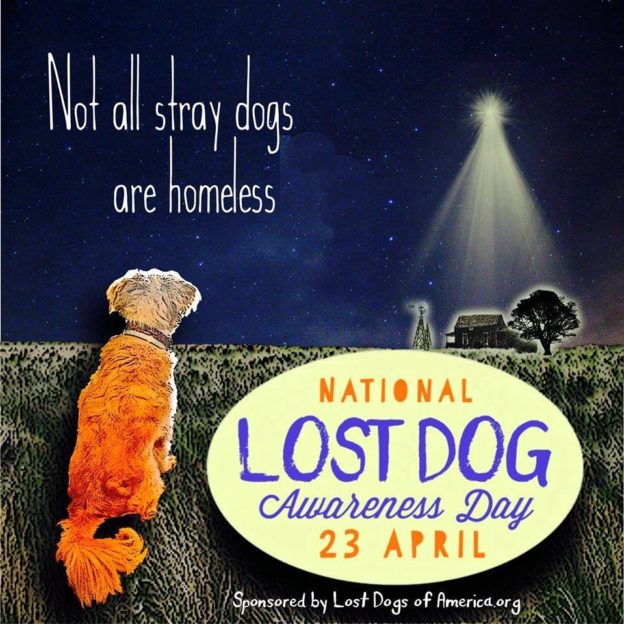
Observed annually on April 23, National Lost Dog Awareness Day (NLDAD) raises awareness about the thousands of dogs that go missing each year while celebrating the countless reunions made possible through the efforts of families, volunteers, shelters, animal control agencies, veterinarians, and compassionate community members.
National Lost Dog Awareness Day was created in 2014 by Susan Taney (Lost Dogs Illinois), Kathy Pobloskie (Lost Dogs of Wisconsin), and Marilyn Knapp Litt (Lost Dogs of Texas). Together, they recognized the need for a national awareness day dedicated specifically to lost dogs and the families searching for them.
Lost Dogs Illinois is proud to be a founding member of Lost Dogs of America (LDOA), a nationwide partnership of volunteer-run organizations dedicated to helping reunite lost dogs with their families through free resources, education, and support. Through the collective efforts of the Lost Dogs of America network, more than 700,000 followers have helped reunite over 145,000 lost dogs with their families from 2010 through 2022.
Not All Stray Dogs Are Homeless
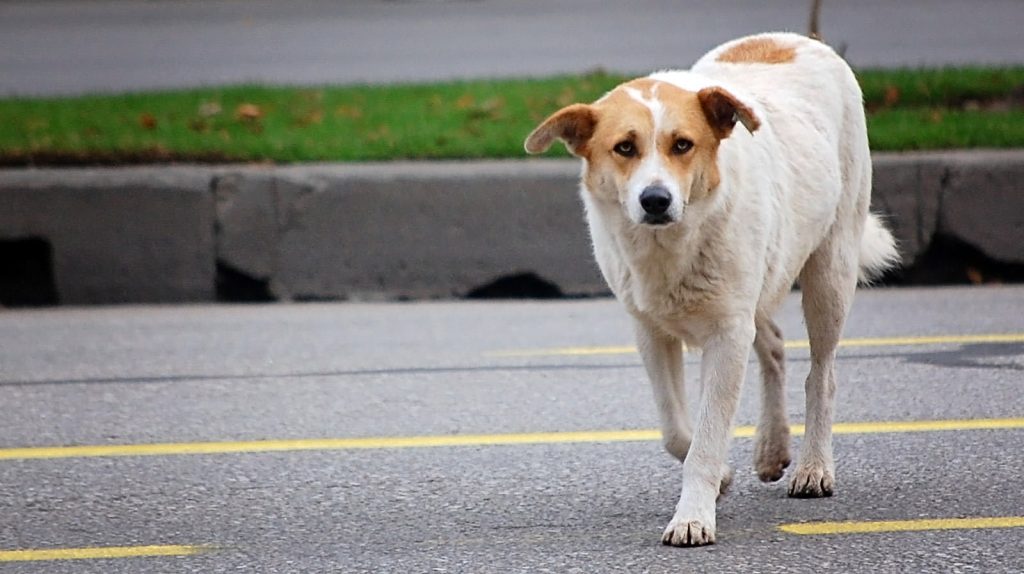
In the world of animal welfare, tremendous attention is rightly given to finding homes for shelter and rescue animals. National Lost Dog Awareness Day was created to bring equal attention to another important issue: many dogs found wandering as “strays” are not homeless. They are lost family pets with people desperately searching for them.
This simple but powerful message has become the cornerstone of National Lost Dog Awareness Day:
Not All Stray Dogs Are Homeless.
Increasing public awareness helps improve Return to Owner (RTO) outcomes and encourages communities to view loose dogs through the lens of reunification whenever possible.
Why Awareness Matters
National Lost Dog Awareness Day is about more than recognizing missing pets. It is about educating communities on the importance of helping lost dogs return home.
When communities understand that many stray dogs have families looking for them, everyone benefits.
Raising awareness helps:
Reunite lost dogs with their families more quickly.
Reduce the emotional stress experienced by both the dog and its family.
Reduce the workload for animal shelters, rescues, and animal control agencies.
Save taxpayer dollars spent on housing and caring for lost pets.
Preserve valuable kennel space for truly homeless animals in need.
Demonstrate to families with missing dogs that their community cares and is willing to help.
Every successful reunion benefits not only a single family, but the entire community.
National Lost Dog Awareness Day reminds us that behind every lost dog is a family hoping for one more sighting, one more phone call, and one more chance to bring their beloved companion home.
Together, we can continue building communities that recognize the importance of Return to Family efforts and remember that not all stray dogs are homeless.
When a dog is lost, panic sets in—for both you and your pet. Your instincts will tell you to run, yell, and gather a crowd. But when a dog is in “flight mode,” normal rules do not apply. To bring them home safely, you must do the exact opposite of what your gut tells you.
1
DO NOT CHASE
The Instinct: Run after them to catch them.
The Reality: You cannot outrun a scared dog. Chasing them will only trigger their predatory flight response and drive them significantly further away.
The Mantra: Stop, drop, and avoid eye contact. Lay down on the ground to make yourself look small, predictable, and unthreatening.
2
DO NOT CALL OUT THEIR NAME
The Instinct: Yell their name so they know you are nearby and looking for them.
But why? They love me! When a dog’s brain is flooded with intense survival adrenaline, a loud, echoing voice—even yours—is processed as a threat. They don’t recognize it as a comforting call; they hear a loud noise actively pursuing them.
3
LIMIT THE “SEARCH PARTY”
The Instinct: Recruit as many neighbors and volunteers as possible to comb the area.
The Reality: Well-meaning crowds create an intense wall of sound and scent confusion. This severe sensory overload will quickly push your dog completely out of their “safe zone” and potentially into dangerous areas like busy roads. Keep active search teams very small and quiet.
4
GO SILENT ON SOCIAL MEDIA (ONCE SPOTTED)
The Instinct: Immediately post the exact, real-time location of where they were just seen.
The Reality: Publicly posting specific coordinates often causes eager volunteers to flood the exact area. Keep specific coordinates entirely private. Share location updates only with your core recovery team to keep the area completely calm and quiet until a safe recovery can be organized.
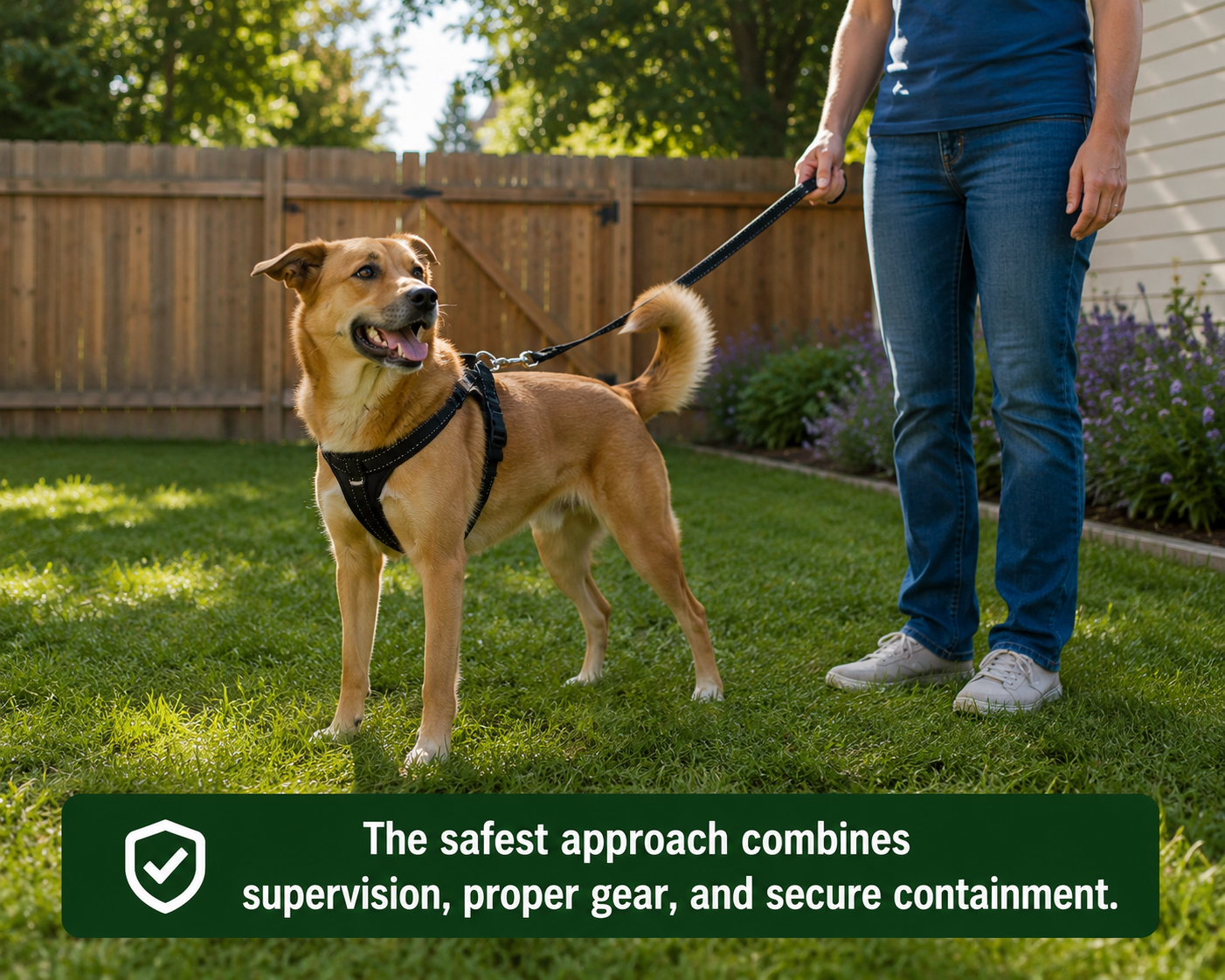
The most important rule: Never leave your dog unattended outdoors, whether you have a fence or not. Even the most secure yard isn’t a substitute for supervision.
Before You Worry About Your Fence: Basic Safety First
If you don’t have a fence, or even if you do, these fundamentals are your first line of defense:
Never leave your dog alone outside – Even for “just a minute.” Dogs can escape quickly or become targets for wildlife.
Use a properly fitted harness and collar – A well-fitted harness reduces slipping and is safer than a collar alone. Check fit regularly.
Always use a leash – When outside without a secure fence, keep your dog on a leash. Consider a hands-free or long-line leash for supervised yard time.
Ensure ID tags are current – Your dog should wear a collar with up-to-date contact information at all times.
Microchip your dog – Make sure your microchip is registered and your contact information is correct and current.
Supervise all outdoor time – Stay outside with your dog. This is especially important for dogs with high prey drive, anxiety, or a history of escaping.
If You Have a Fence: Make It Escape-Proof
Most fence escapes happen in predictable ways—climbing, digging, squeezing through gaps, or pushing an open gate. Each has effective, affordable solutions.
Start Here: Quick Fixes You Can Do Today
Before making major changes, check for these common issues:
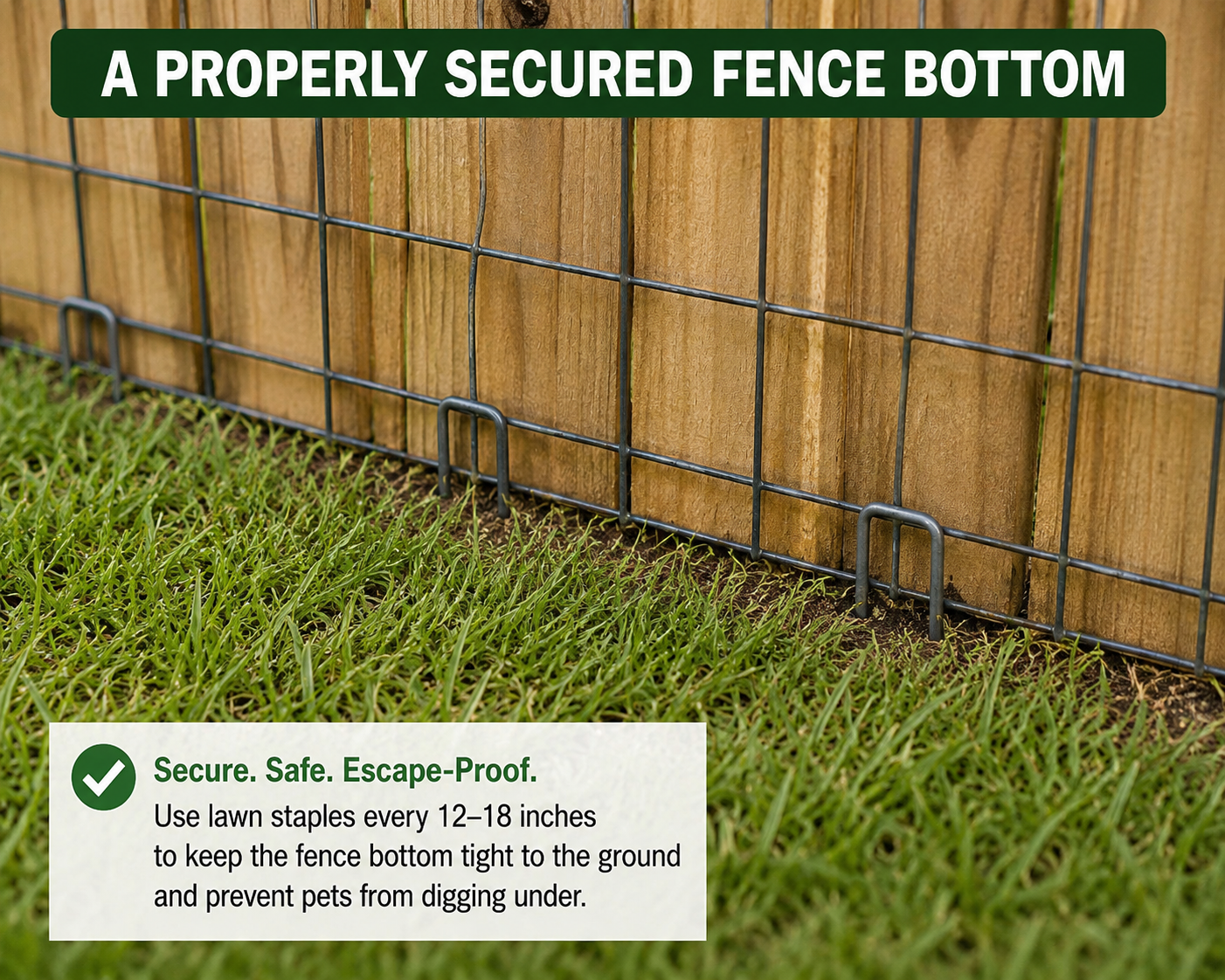
Secure loose fence bottoms with lawn staples
Patch any holes or damaged sections
Remove objects near the fence (tables, dog houses, debris) that can help your dog jump
Make sure gates latch securely; replace worn or loose latches
If Your Dog Climbs or Jumps the Fence
Some dogs are natural climbers or jumpers, especially when motivated by something outside the yard.
Solutions:
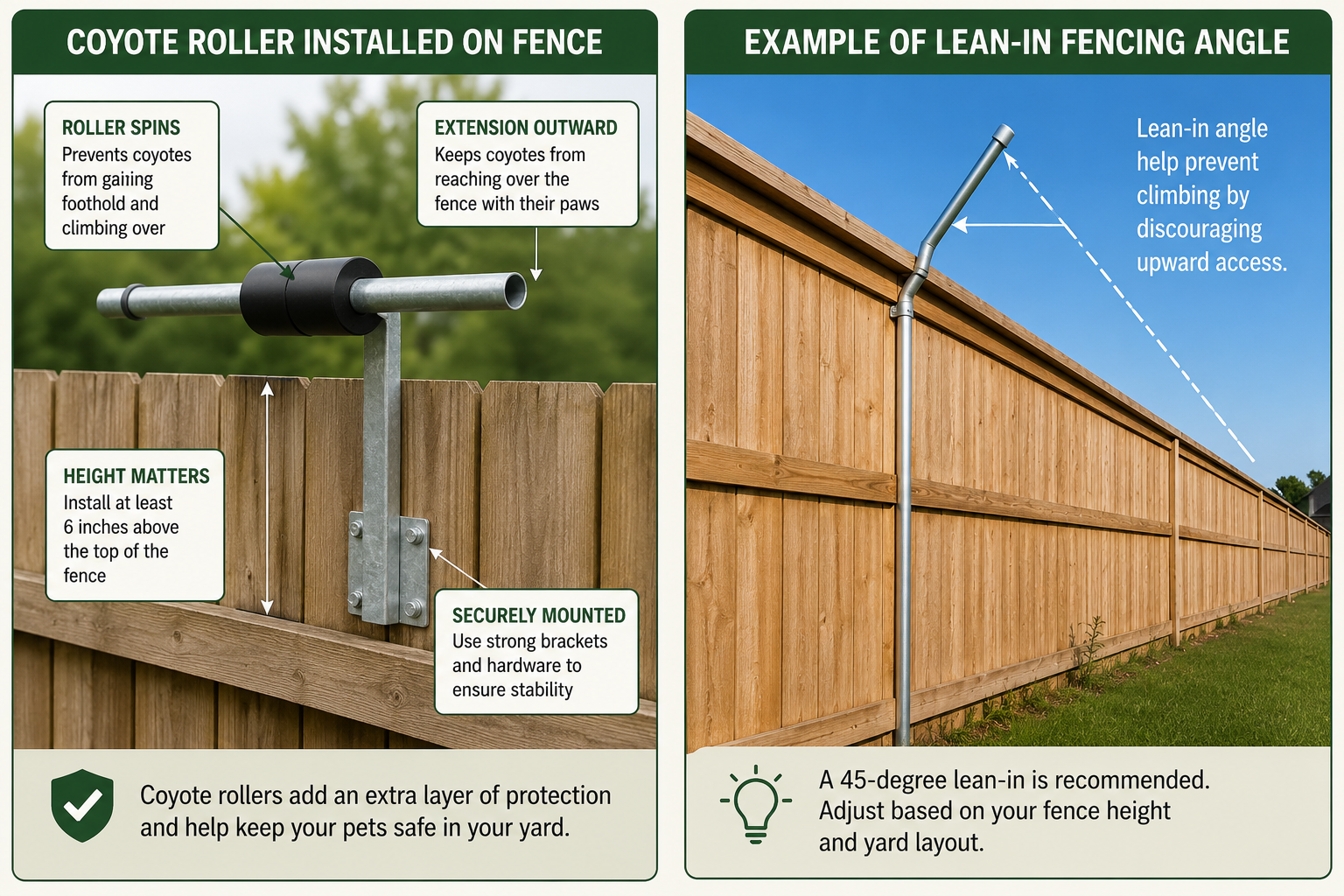
Install coyote rollers along the top of the fence; they spin, preventing dogs from gaining traction. There are also less costly DIY methods to create coyote rollers using PVC piping that can be found online.
Add “lean-ins” (angled fencing at the top) to block climbing
Increase fence height with extensions if jumping is the main issue
These methods are also effective at keeping coyotes and other wildlife out.
If Your Dog Digs Under the Fence
Dogs often dig at fence lines due to boredom, curiosity, or smells on the other side.
Solutions:
Install an L-footer using welded wire:
Attach it to the base of the fence
Extend it outward along the ground in an “L” shape
Secure with lawn staples
Alternatively, bury welded wire slightly underground at an angle
For persistent diggers, consider a concrete footer
Safety tip: Ensure any cut wire edges are turned away or smoothed to prevent injury.
If Your Dog Squeezes Through Gaps
Small or determined dogs can slip through surprisingly narrow openings.
Solutions:
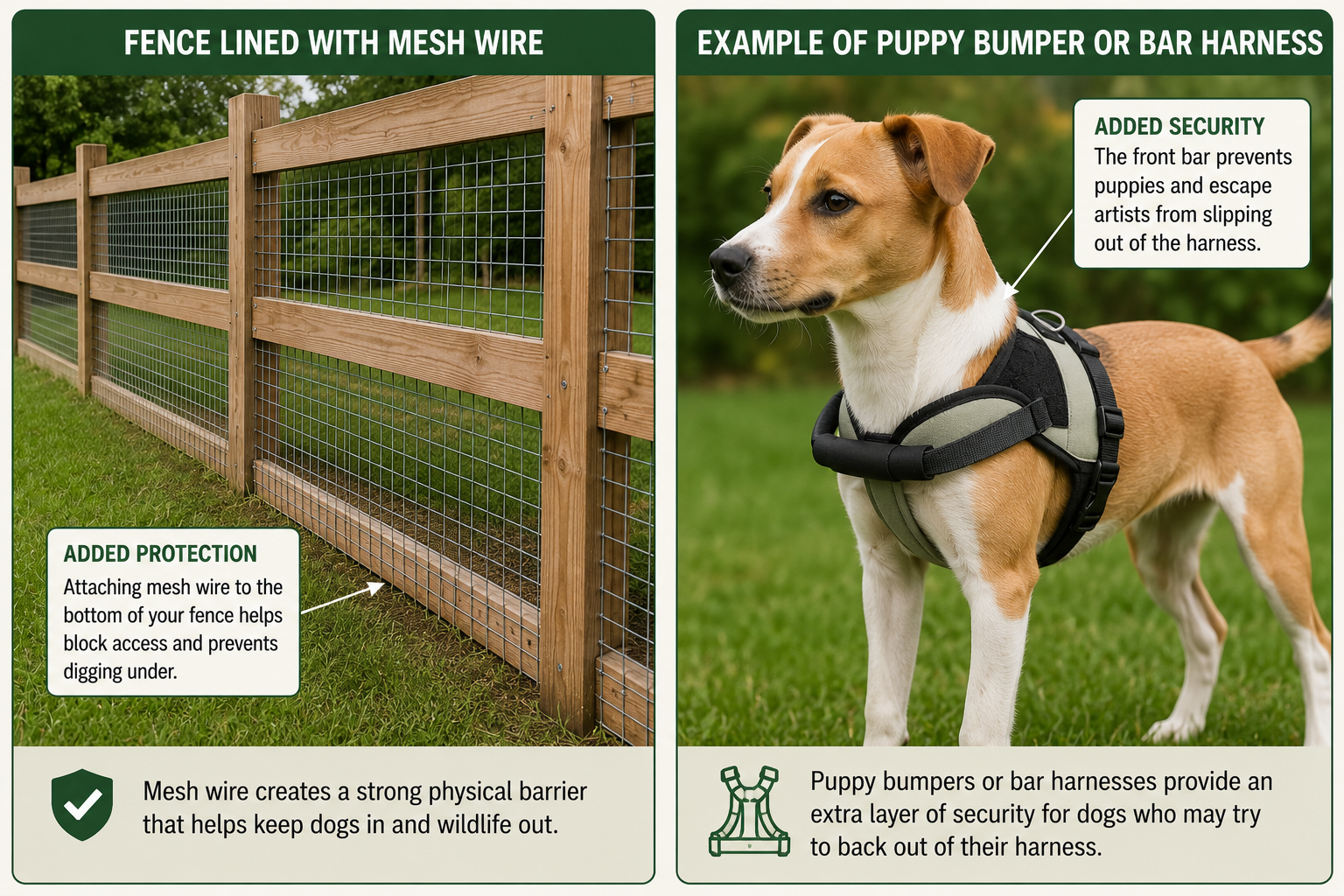
Line the fence with welded or mesh wire (available in low-visibility options)
Use bamboo fencing for a more decorative look
Use a puppy bumper or bar harness (for supervised, short-term use only)
Note: Devices like bumpers should not be worn unsupervised and should fit properly.
If Your Dog Pushes the Gate
Gate escapes are one of the most common ways dogs get loose.
Solutions:
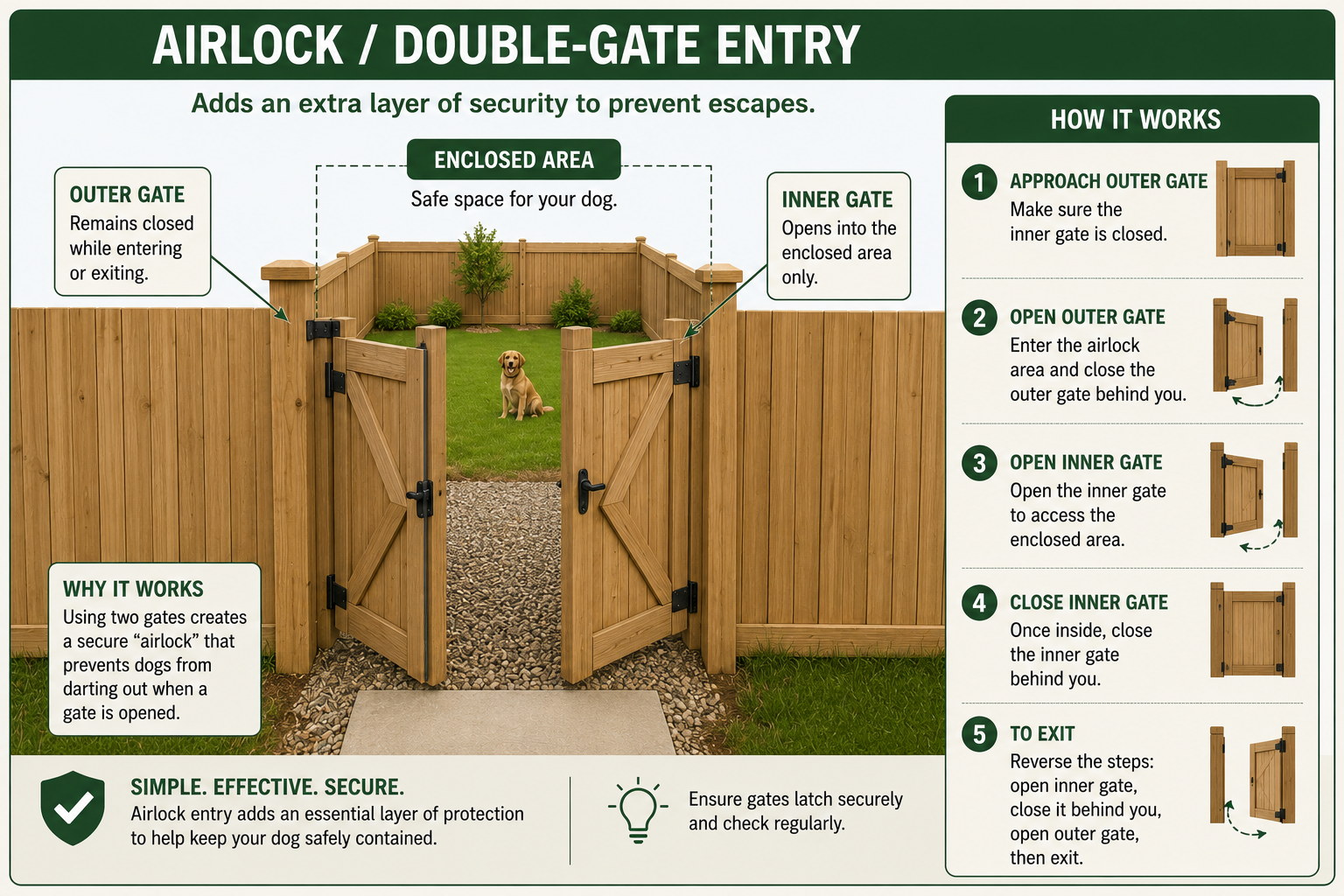
Create an “airlock” or double-gate entry:
A small enclosed area just inside or outside the main gate
Prevents your dog from reaching open space if they slip past you
Install secure latches or locks
Using carabiner clips is a great way to keep gates securely closed, prevent accidental openings, and stop dogs from escaping. For the best results, avoid lightweight aluminum and choose heavy-duty locking carabiners or double-ended snaps to ensure the gate cannot rattle or be nudged open
For indoor exits, use a baby gate as a secondary barrier
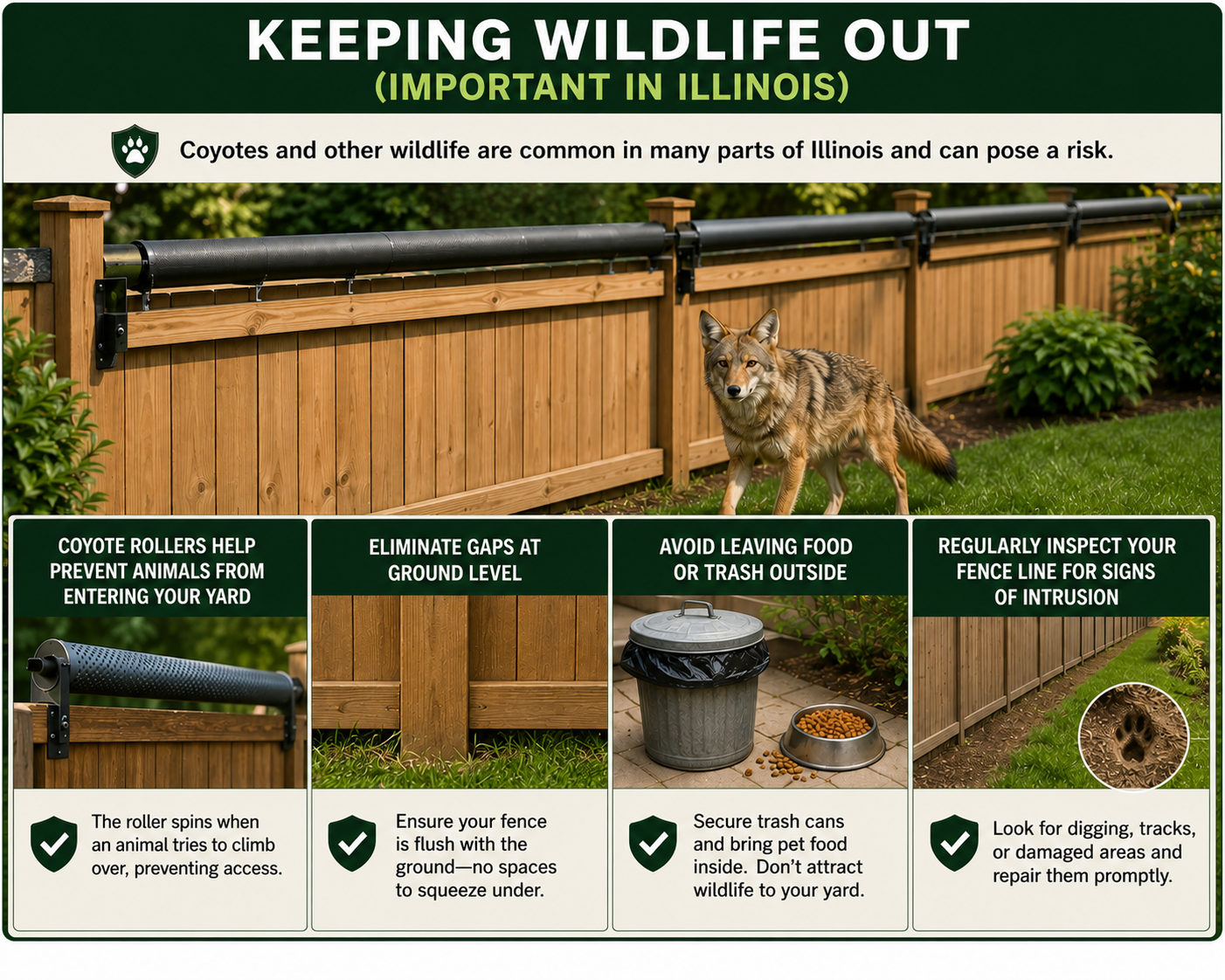
Keeping Wildlife Out (Important in Illinois)
Coyotes and other wildlife are common in many parts of Illinois and can pose a risk.
Coyote rollers help prevent animals from entering your yard
Eliminate gaps at ground level
Avoid leaving food or trash outside
Regularly inspect your fence line for signs of intrusion
Safety Considerations
Regularly inspect your fence for damage or wear
Remove or cover sharp edges on wire or fencing materials
Avoid leaving containment devices on dogs unattended
Make sure all modifications are secure and do not create entrapment risks
When Physical Fixes Aren’t Enough
If your dog continues trying to escape, consider underlying causes:
Increase daily exercise and mental stimulation
Address anxiety or boredom
Work on training, including recall and boundary awareness
Supervise outdoor time for repeat escape artists
Preventing escapes not only keeps your dog safe but also protects them from traffic, wildlife, and getting lost. Most solutions are affordable and can be done with basic tools, making a secure yard achievable for nearly any home.
When people hear the term “magnet dog,” they often imagine a specially trained dog with an extraordinary ability to lure every lost dog home. In actuality, it is much simpler.
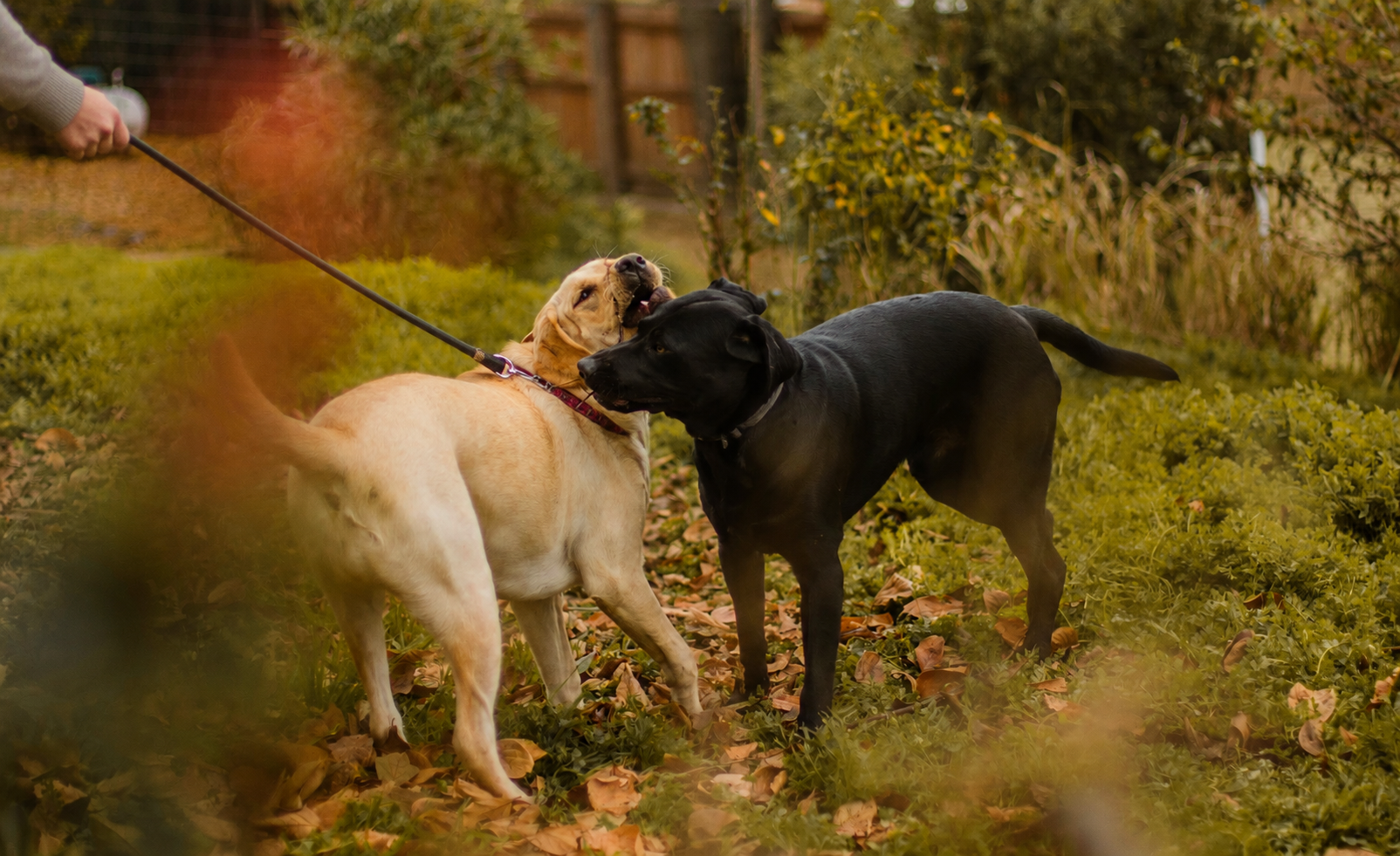
A magnet dog is a carefully selected companion dog used to encourage a frightened, lost dog to lower its guard and approach. Rather than attracting a lost dog through obedience or commands, a magnet dog appeals to something much deeper, natural canine social behavior.
One of the biggest misconceptions is that magnet dogs are always highly trained recovery dogs. While experienced recovery organizations may have dogs that are well suited for this role, the very best magnet dog is often one the lost dog already knows and trusts.
If the missing dog shares a strong bond with another dog in the household, that familiar companion can become an invaluable part of the recovery effort. The sight, scent, and presence of a beloved canine family member can sometimes accomplish what no amount of calling, coaxing, or searching can.
When used appropriately, magnet dogs have helped recover countless dogs that would never have approached a human. However, success depends on selecting the right companion, understanding the missing dog’s personality, and recognizing when this technique is, and is not, the right choice.
Why Familiar Dogs Can Be So Powerful
When dogs become lost, especially after several hours or days, many enter what recovery volunteers refer to as survival mode.
In this primal, fear-driven state, the dog’s brain shifts from living as a beloved family pet to focusing solely on staying alive. Familiar training, obedience, and even recognition of their owners may temporarily disappear as instinct takes over. Their only goal is survival.
Owners are often heartbroken when their dog runs from them or refuses to come when called. This is a normal survival response.
What often remains, however, is the dog’s instinctive connection with another dog it knows and trusts.
Unlike humans, dogs communicate through scent, posture, movement, and countless subtle social signals. A familiar canine companion can quietly communicate safety in a way people simply cannot.
For some dogs, recognizing the scent of their housemate is enough to momentarily break through survival mode and replace fear with familiarity.
Choosing the Right Magnet Dog
Not every household companion is a good magnet dog. The most successful candidates are dogs that share a close, trusting bond with the missing dog and remain calm in unfamiliar situations.
The ideal magnet dog should:
Have a close, positive relationship with the missing dog.
Be calm and emotionally stable.
Be comfortable in unfamiliar environments.
Remain relaxed around strangers and other dogs.
Be able to ignore distractions.
Walk calmly on leash without pulling or barking.
Sometimes the quiet, older dog in the household makes a far better magnet than the energetic young playmate.
Owners are often in the best position to evaluate the relationship between their dogs. If the missing dog and its companion share a close, positive bond and are comfortable together, using that companion as a magnet dog may be worth considering. If you’re unsure whether this approach is appropriate, an experienced lost dog recovery volunteer can help assess the situation.
When Magnet Dogs Are Most Helpful
Magnet dogs are often considered when the missing dog:
Has settled into a relatively consistent area.
Is repeatedly seen but refuses to approach people.
Has a strong bond with another household dog.
Is friendly with other dogs.
Is showing curiosity but remains fearful of humans.
The technique becomes especially valuable after search efforts transition into containment and recovery, when volunteers know approximately where the dog is spending time.
When a Magnet Dog May Not Help
Just as important is recognizing when not to use one.
A magnet dog may be inappropriate if the missing dog:
Has shown aggression toward other dogs.
Is fearful of unfamiliar dogs.
Is extremely territorial.
Guards food or other resources.
Had a poor relationship with the proposed companion dog.
Using the wrong dog can increase stress and push the missing dog farther away.
The decision should be based on both the missing dog’s temperament and its relationship with the companion dog. Ask yourself: Are they closely bonded? Do they seek each other out? Are they comfortable and relaxed together? If the answer is yes, the companion dog may be an excellent candidate to serve as a magnet dog.
How the Process Works
Every recovery is different, but the goal is always the same: reduce pressure rather than increase it.
The magnet dog is usually brought into the area on leash and allowed to behave naturally. The handler avoids calling to the missing dog or encouraging interaction. Instead, the magnet dog quietly sniffs, explores, or relaxes.
If the missing dog appears, volunteers remain patient.
Often the dogs notice each other before any human realizes what’s happening.
The lost dog may begin following from a distance, circling, or slowly closing the gap.
The interaction cannot be rushed.
Sometimes the magnet dog simply provides reassurance while volunteers guide both dogs toward a humane trap, feeding station, fenced area, vehicle, or another safe location where the recovery can be completed.
Other times, the reunion between the two dogs creates the opening needed for the owner or recovery volunteer to safely secure the missing dog.
Success Story: Lyda and Her Puppy
Lyda, a puppy mill survivor recently adopted through Adopt A Husky, escaped shortly after arriving at her new home. Unfamiliar with the area and operating entirely on instinct, she spent more than three weeks traveling across seven communities, ultimately covering approximately 16 miles.
Volunteers and her owner responded immediately with flyers, monitored feeding stations, social media outreach, and by following more than fifty reported sightings. Despite everyone’s efforts, Lyda continued moving whenever people tried to approach her.
When she finally settled in Elmhurst, the recovery team recognized that simply approaching her would likely send her running again.
Instead, they brought Rudu, Lyda’s own puppy.
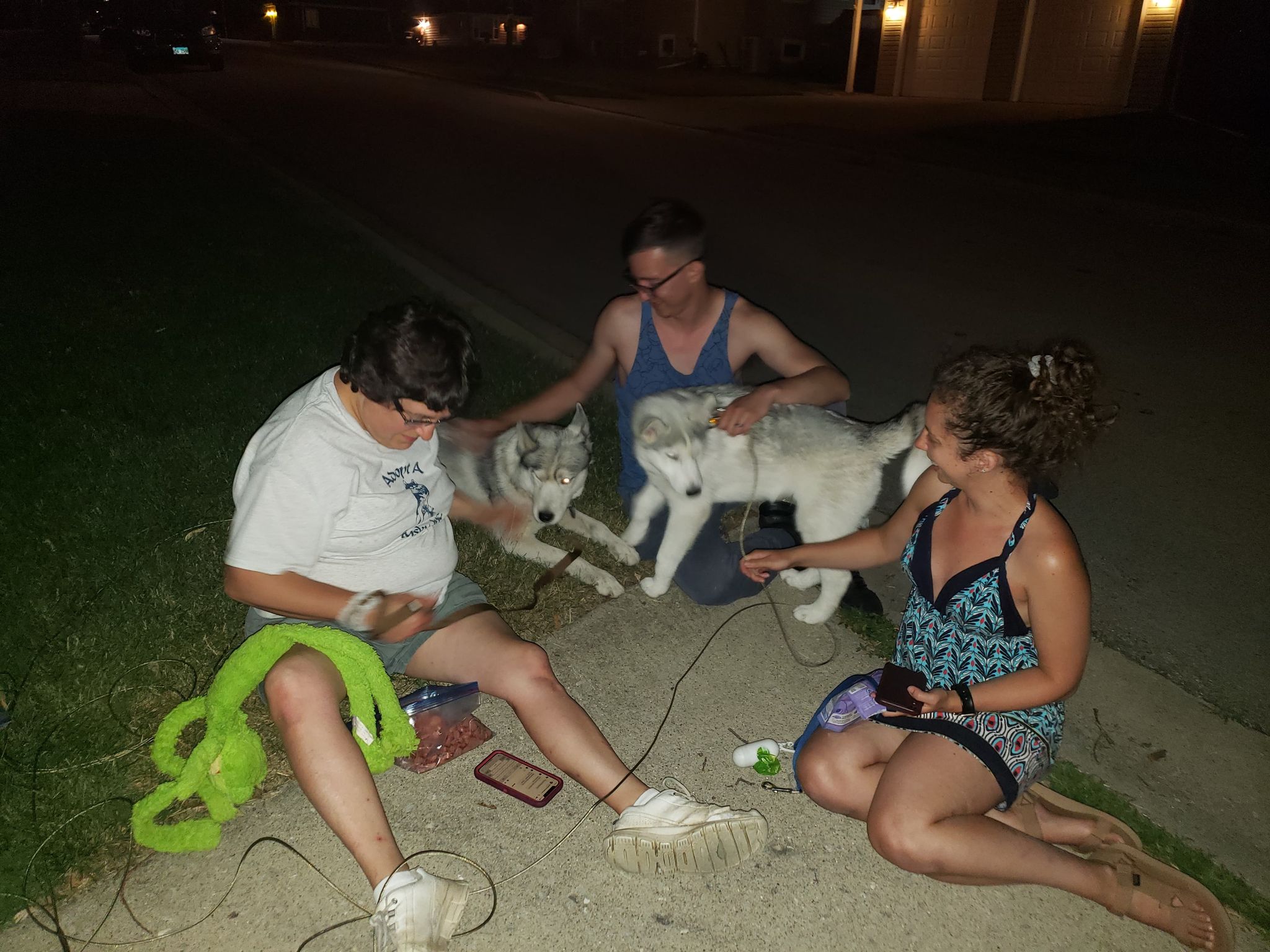
Beth from Adopt A Husky quietly sat on the ground with Rudu on a long lead, allowing Lyda to notice him on her own. The moment Lyda caught his scent, everything changed. After weeks of behaving like a wild animal in survival mode, she immediately recognized her puppy. That familiar bond helped break through her fear, allowing Beth to calmly leash her and bring her safely home.
It wasn’t commands or food that ended Lyda’s journey. It was the comforting presence of a dog she loved.
Adopt A Husky volunteer Beth used Lyda’s puppy, Rudu, as a magnet dog. His familiar scent and calming presence helped Lyda feel safe enough to approach.
Success Story: Junior and His Mother
Junior’s recovery in Woodstock demonstrates another powerful use of a family companion.
After several days on the run, recovery teams finally located Junior inside a fenced industrial property. Instead of chasing him, they shifted immediately from searching to containing the area.
Junior’s mother, Princess, was brought to the scene on a long lead. As responders gradually reduced their presence, Princess remained inside the enclosure.
When Junior finally approached her, the two dogs greeted one another with relaxed body language, sniffing and circling in what handlers often describe as a reunion dance. The familiar interaction noticeably reduced Junior’s fear.
When his owner carefully moved in, Junior briefly bolted, a completely normal response, but because the area was secure and calm, he quickly returned to Princess. That second chance allowed his owner to safely secure him.
Princess didn’t “catch” Junior.
She simply reminded him that he wasn’t alone anymore.
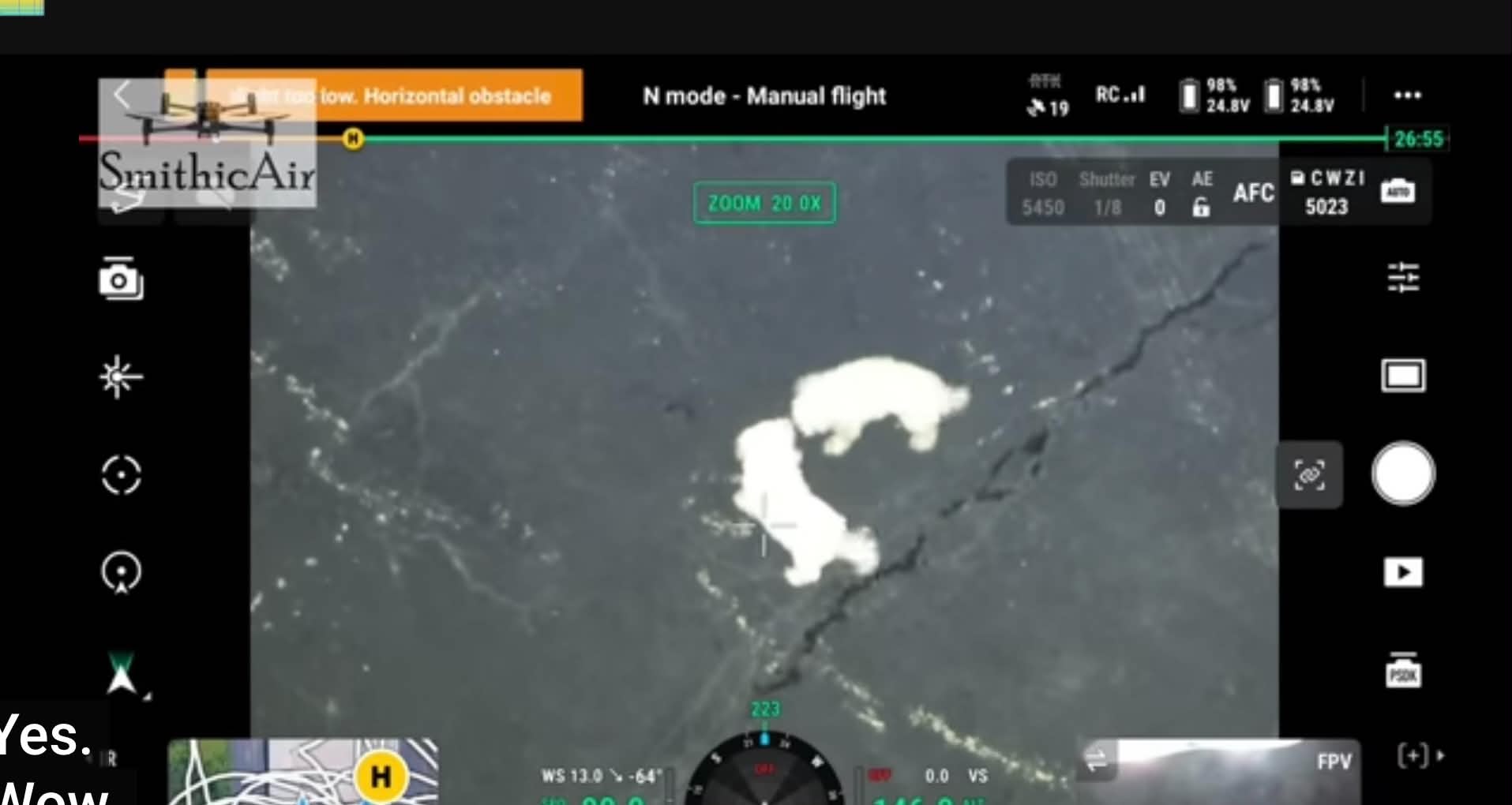
Junior and Princess’s reunion dance – aerial Photo taken by SmithicAir
One Tool Among Many
Magnet dogs are one of many specialized tools used in lost dog recovery. They are often combined with humane traps, feeding stations, trail cameras, behavioral analysis, drone support, and strategic containment.
The key is understanding that there is no single technique that works for every dog.
Some dogs respond to food.
Some respond to routine.
Some eventually enter a humane trap.
And some need the reassuring presence of another dog before they feel safe enough to come home.
The art of lost dog recovery lies in recognizing which strategy best fits the individual dog.
Patience Makes the Difference
Perhaps the greatest lesson magnet dogs teach us is that recovery isn’t about forcing a frightened dog to return. It’s about creating the conditions where the dog feels safe enough to choose to come home.
Whether that reassurance comes from a calm recovery dog or a beloved companion from home, the goal is the same: reduce fear, build trust, and allow natural canine behavior to work in your favor.
When used thoughtfully and at the right moment, a magnet dog can become one of the most effective tools in helping a lost dog find its way back to the people, and sometimes the canine companion, it loves most.
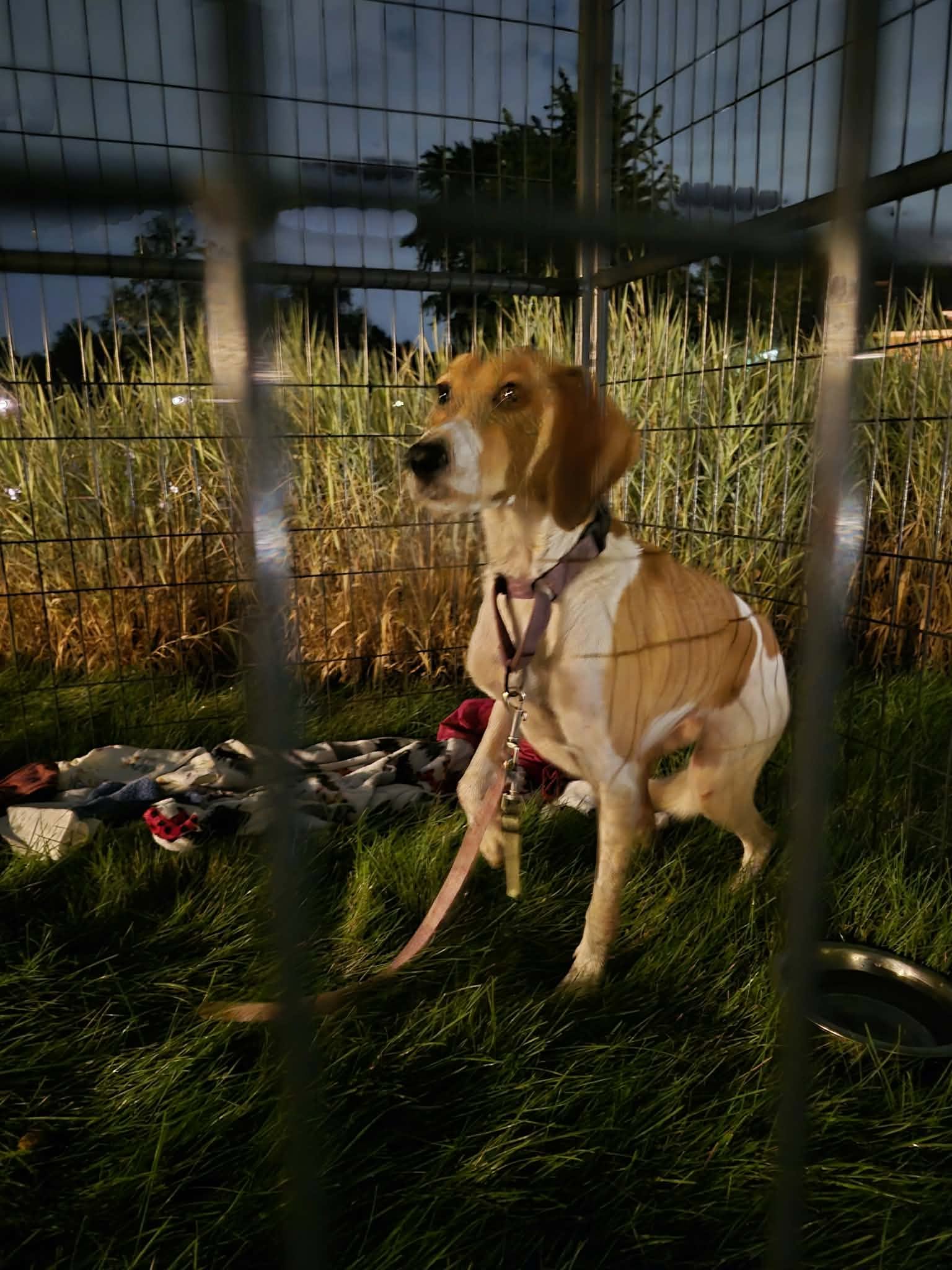
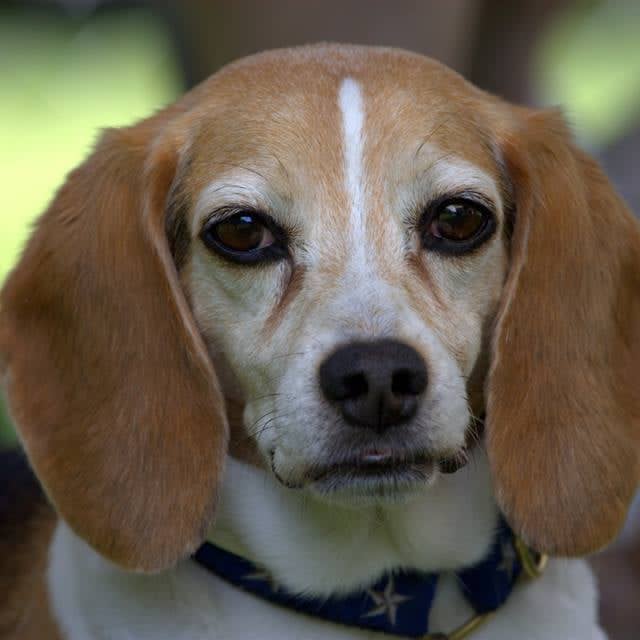
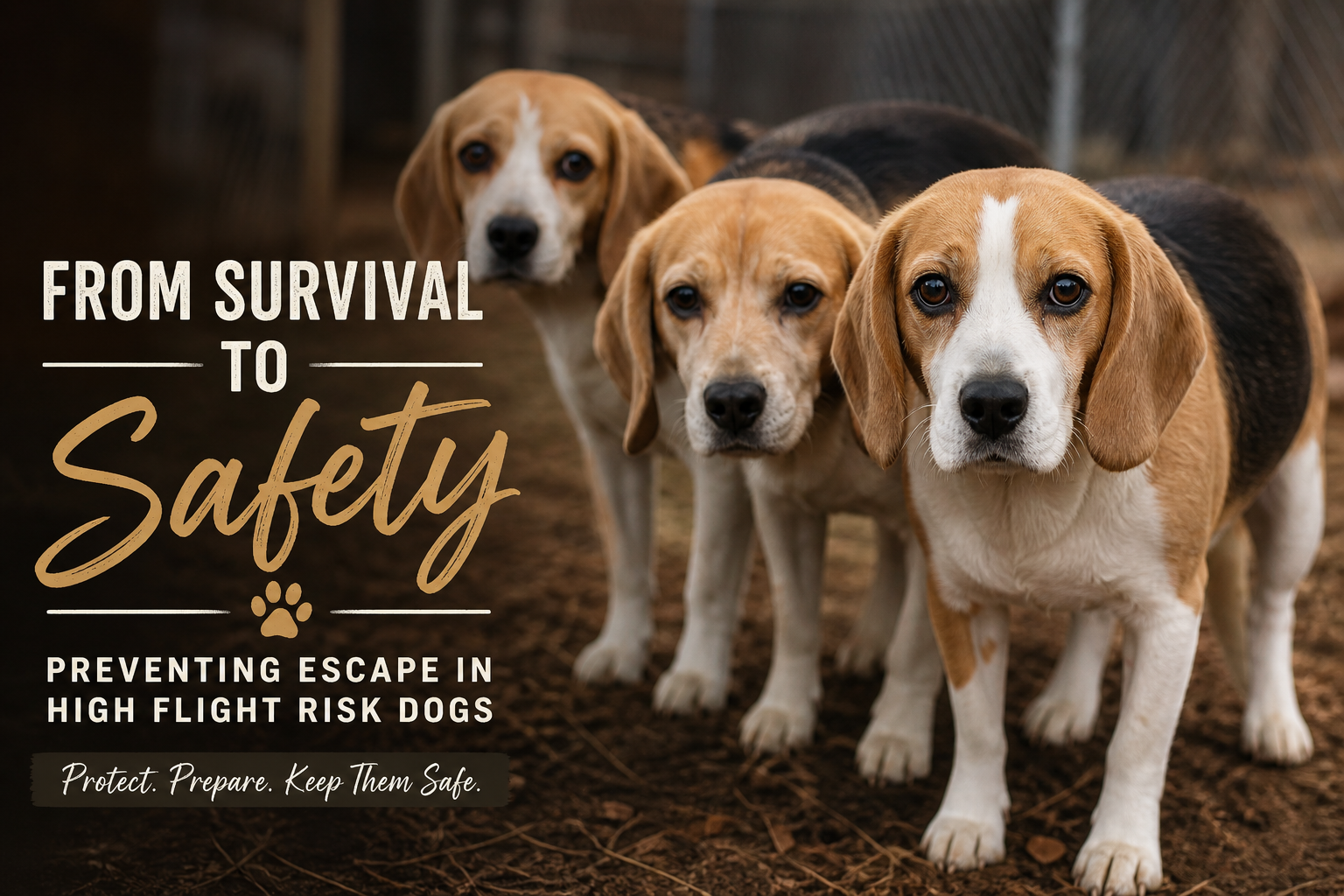
Great news! Ridglan Farms, a laboratory beagle breeding facility in Dane County, Wisconsin, has reached an agreement to release 1500 beagles to animal welfare organizations for rehabilitation and adoption. Since these dogs were specifically bred for scientific research they have never lived in a home environment. They have probably never experienced day to day activities that our family pets are accustomed to and the potential is high that they will be under-socialized high flight risk dogs.
How can rescues and shelters prevent high flight risk dogs from escaping from new adopters, foster homes and even their own facilities? And how can they correctly react when a dog does go missing? Read more here at Lost Dogs of America…
Dogs released from long term confinement or high stress environments are at exceptionally high risk of fleeing. Their instincts, lack of typical home experience, and heightened fear responses mean that even minor triggers can cause them to bolt. Preventing escapes is not just about good intentions. It requires deliberate, layered safety protocols and consistency from everyone involved in the dog’s care.
Below is a comprehensive guide to help keep these dogs safe during transition and beyond.
Understanding the Risk
Dogs from environments like breeding facilities often:
Have little to no exposure to normal household sights and sounds
Lack leash skills or familiarity with collars and harnesses
Startle easily and react by fleeing, rather than freezing or seeking comfort
Do not yet recognize humans as a source of safety
This means that what might seem like a secure situation for a typical pet dog may not be sufficient.
Secure Containment Is Non Negotiable
Double Barrier Entry Systems
Use a two door system whenever possible:
A crate inside a closed room
A gated area inside a fenced yard
An entryway, such as a mudroom or vestibule, before access to the outside
Never allow direct access from the living space to the outdoors without a secondary barrier.
Fencing Considerations
Minimum six foot fencing, higher if possible
No gaps underneath, and check for digging potential
Ensure there are no items along the fence line that a dog could use to climb or jump over the fence
Avoid chain link if the dog can climb, and consider privacy fencing
Gates must be locked or secured with clips
Crate Use
A sturdy, escape proof crate is essential
Keep the crate in a quiet, low traffic area
Use it during transitions, visitors, or other high risk times
Proper Equipment Saves Lives
Harnesses and Leashes
Use a well fitted, escape proof harness, ideally with three points of contact
Always attach two points of control:
Leash clipped to the harness
Backup leash clipped to the collar
When the dog is loose in the house, keep a lightweight, approximately four foot leash attached to the collar. This allows you to safely grab and redirect the dog if they attempt to bolt, without reaching toward their body and increasing fear.
Martingale Collars
Help prevent slipping out if the dog backs up
Should be snug, but not tight
Never Rely On
Slip leads alone
Standard flat collars
Retractable leashes
Transport Safety
Transport is one of the highest risk moments.
Dogs should always be crated during transport
Crates must be secured so they cannot slide or tip
Never transfer a dog from a crate to a leash in an open area
Use enclosed spaces, such as a garage or fenced yard, for transitions
Home Arrival Protocol
The first twenty four to seventy two hours are critical.
Before the Dog Arrives
Ensure all doors, windows, and gates are secure
Inform all household members of strict rules
Remove escape opportunities, such as open screens or loose latches
Upon Arrival
Carry the crate inside before opening it
Do not allow free roaming immediately
Limit exposure to people, noise, and other pets
Decompression Period
Expect shutdown, fear, or avoidance
Keep routines predictable and calm
Avoid forcing interaction
Door and Visitor Management
Many escapes happen at the front door.
Post visible reminders, such as “Do not open, dog in training”
Use baby gates or exercise pens as additional barriers
Instruct all visitors clearly before they enter
Consider locking doors as an extra precaution
Outdoor Safety
Even fenced yards are not fool proof.
Always supervise outdoor time
Do not leave the dog unattended, even briefly
Keep the dog on a leash initially, even in fenced areas
Watch for climbing, digging, or panic behaviors
Identification Is Essential
Despite best efforts, accidents can happen. Preparation improves recovery chances.
Microchip the dog immediately, and ensure registration is current
Use a collar with an identification tag at all times
Consider GPS tracking devices for added security
Behavioral Support
These dogs are not being difficult. They are surviving.
Use positive reinforcement only
Avoid punishment, which increases fear and flight risk
Work with experienced trainers familiar with fearful or undersocialized dogs
Allow the dog to progress at their own pace
Common Mistakes to Avoid
Letting the dog off leash too soon
Assuming a fenced yard is enough
Trusting the dog will not bolt after a few calm days
Allowing multiple people to handle the dog without coordination
Skipping backup safety equipment
Emergency Preparedness
Have a plan in place before you need it.
Keep recent photos readily available
Know who to contact if your dog should go missing
Local shelters
Animal control
Register lost and found dogs with our partner at PetFBI.org
Do not chase a loose dog, as this often drives them farther away
Use scent based recovery techniques if needed
Final Thoughts
Keeping these dogs safe requires vigilance, structure, and patience. Early mistakes can have irreversible consequences, but with proper precautions, most escapes are preventable. The goal is not just containment. It is building a sense of security so the dog eventually chooses to stay close rather than flee.